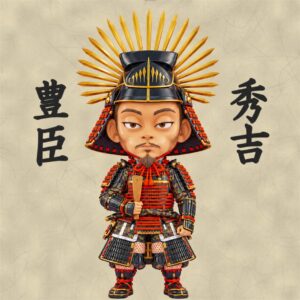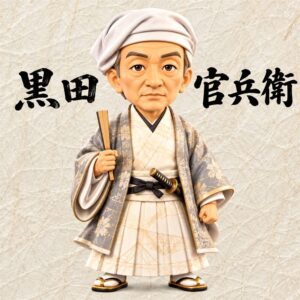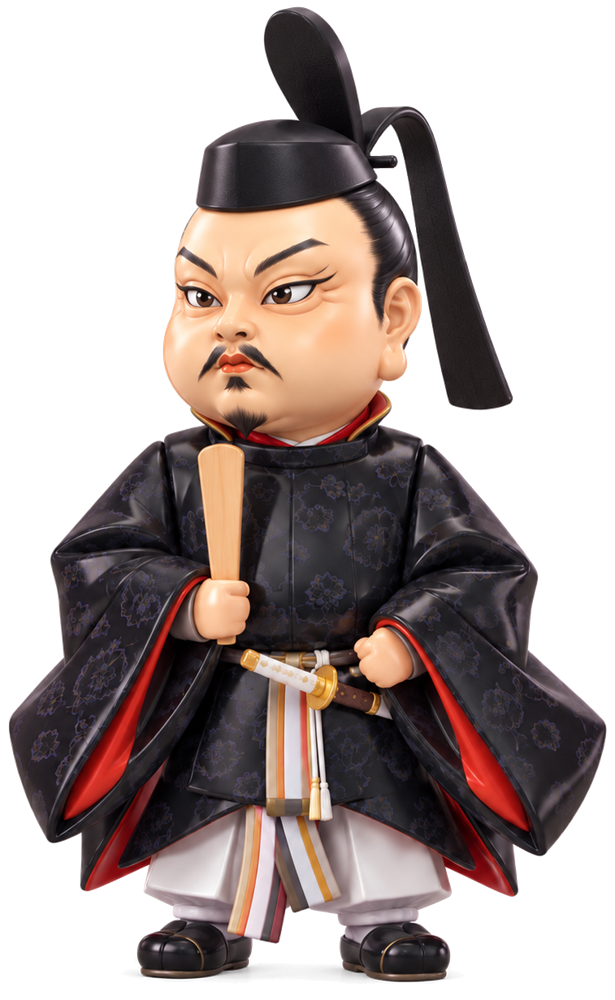
Behind every ruler stands someone who makes things work. For Toyotomi Hideyoshi, the man who unified Japan, that person was his younger brother: Toyotomi Hidenaga (1540–1591).
Hidenaga is the hero of NHK's 2026 historical drama Toyotomi Kyōdai! (“The Toyotomi Brothers!”), which has made many people curious about him. Who was his wife? Were the women shown in the drama real? Why did his family line end so quickly?
This article follows what Hidenaga actually did with a timeline, then looks at his wife and children, his death, and his descendants—separating what the sources confirm, what historians think, and what the drama invented.
Key points are tagged: [Fact] confirmed by records from the period, [Widely accepted] supported by most historians, [Debated] competing theories, [Unknown] not known from any source, [Drama fiction] details created for the TV drama, and [Legend] later stories or folklore.
.jpg)
I am Uesugi Kenshin. Today's subject is the younger brother of Hideyoshi. He has few flashy battle tales, yet some say the Toyotomi government could not have run without him.
.jpg)
I'm Date Masamune! By the time I submitted to Lord Hideyoshi around 1590, I heard that Lord Hidenaga was already gravely ill. I really want to know what kind of man he was!
Who Was Toyotomi Hidenaga?
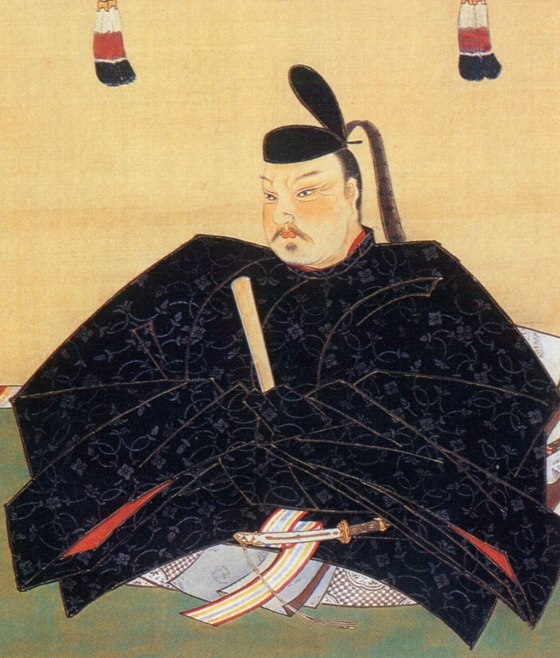
Image: Portrait of Toyotomi Hidenaga by Baiken Kazunobu (1788), Shungaku-in Temple, Yamato-Kōriyama, Nara. It was painted about 200 years after his death, for a memorial service marking the 200th anniversary.
In a nutshell, Toyotomi Hidenaga was “the No. 2 of the Toyotomi government, who backed his brother's unification of Japan on both the battlefield and the political stage.”
Key Events
- Served Oda Nobunaga alongside his brother and conquered Tajima province (northern Hyōgo)
- In 1585, led an army of more than 100,000 men as commander-in-chief in the invasion of Shikoku
- Became a great lord ruling Yamato (Nara), Kii (Wakayama), and Izumi (southern Osaka), based at Kōriyama Castle
- In 1587, was appointed to the high court rank of Gon-Dainagon, earning the name “Yamato Dainagon”
- Died of illness in 1591, before his brother—after which the Toyotomi government began to falter
.jpg)
He led an army of 100,000 in place of Lord Hideyoshi!? He was less a “little brother” than a second general!
.jpg)
Indeed. And beyond war, he mediated between lords and governed his lands well. He was the relative Hideyoshi relied on most.
Quick Profile
| Item | Details | Reliability |
| Lived | 1540–1591 | [Widely accepted] |
| Birthplace | Nakamura, Owari province (today's Nakamura Ward, Nagoya) | [Widely accepted] |
| Names | Koichirō (common name); Nagahide → Hidenaga (personal name) | [Fact] |
| Parents | Father: Yaemon or Chikuami (whether he shared Hideyoshi's father is debated); mother: Naka (Ōmandokoro) | [Debated] |
| Main castles | Takeda Castle (Tajima) → Himeji Castle → Kōriyama Castle (Yamato) | [Widely accepted] |
| Highest rank | Junior Second Rank, Gon-Dainagon (“Yamato Dainagon”) | [Fact] |
| Domain | Yamato, Kii, Izumi, and more (often called “one million koku”) | [Widely accepted] |
| Principal wife | Jiun-in (a Buddhist name; her real name is unknown) | [Fact] |
| Cause of death | Illness (the disease is not recorded) | [Fact] |
| Age at death | 52 by traditional Japanese count | [Fact] |
His Names: Kinoshita Koichirō → Nagahide → Hidenaga
As a young man he was called Koichirō, and that is also what the main character is called in the NHK drama. His first personal name was Nagahide; the “Naga” is thought to have been granted by his lord, Oda Nobunaga [Widely accepted].
Like his brother, he changed his family name from Kinoshita to Hashiba, and a document from 1575 is signed “Hashiba Koichirō Nagahide” [Fact]. Then in 1584, around the time of the Battle of Komaki-Nagakute, he changed his name from Nagahide to Hidenaga [Fact]. Putting the “Hide” from his brother's name first likely signaled that Hideyoshi—not the Oda family—was now in charge [Widely accepted].
A story that his childhood name was “Kochiku” is not supported by any document from the period [Legend].
Who Was Hidenaga's Wife? Were Nao and Chika Real? (The Short Answer)
.png)
Image: An imagined illustration of Jiun-in. No portrait of her survives, so this is purely an artist's impression.
The Short Answer
- Hidenaga's principal wife, confirmed by sources, was Jiun-in. But this is a Buddhist name she took later—her real name is unknown
[Fact] - Chika in the drama corresponds to this principal wife. However, the name “Chika,” her birth as the daughter of Andō Morinari, and her son from a previous marriage cannot be confirmed by any source
[Drama fiction] - Nao in the drama does not appear in any historical record; she is an original character
[Drama fiction] - Only two wives of Hidenaga can be confirmed: his principal wife Jiun-in and a consort (secondary wife) known as Sesshu-in
[Widely accepted]
Sources: inscription on a stone memorial at Mount Kōya (1591); Tamon'in Nikki; Shiba Hiroyuki, ed., Toyotomi Hidenaga (2024); Kuroda Motoki, Hashiba Hideyoshi to Sono Ichizoku (2025); Wada Yasuhiro, Toyotomi Hidenaga (2025)
His Principal Wife, Jiun-in
In 1591 a stone memorial was set up in the Toyotomi family plot at Okunoin, the great cemetery on Mount Kōya. It was a gyakushu tower—a memorial raised while the person was still alive, to pray for their own future rest. Its inscription names “the wife of the Dainagon (Hidenaga)” as “Jiun-in Hōshitsu Shōkei” [Fact].
Some Edo-period records write the name as “Chiun-in,” but historians consider “Jiun-in,” found in sources from her own time, to be correct [Widely accepted].
The couple is thought to have married around 1566–67 [Widely accepted]. Her family background is unclear; one theory says she was a daughter of the Kanbe family of Owari [Debated].
After Hidenaga took over Yamato, she moved to Kōriyama Castle and often visited Kasuga Shrine in Nara with Hidenaga's mother, Ōmandokoro. In 1586, a monk of Kōfuku-ji Temple noted in his diary, the Tamon'in Nikki, that she arrived with a procession of “140 or 150 people” [Fact].
After Hidenaga's death she was known as “Yamato Ōkata-sama.” In 1591, when monks of Daitoku-ji Temple faced punishment in connection with the downfall of the tea master Sen no Rikyū, she and Ōmandokoro appealed to Hideyoshi and saved them, according to a record of the time [Fact]. She died in 1620 [Widely accepted].
It's surprising that even her real name is lost. But she put up her own memorial tower while she was still alive!
In those days, even high-ranking women's real names were seldom recorded. That her Buddhist name survives at all is fortunate.
Who Was Chika in the NHK Drama Based On?
In the drama, Chika is portrayed as Hidenaga's principal wife. However, the name “Chika,” her birth as the daughter of the Mino warlord Andō Morinari, and a son named Yoichirō from an earlier marriage are not confirmed by any historical source [Drama fiction].
About the real principal wife, we know little more than her Buddhist name, Jiun-in Hōshitsu Shōkei. Interestingly, the character used for “Chika” (慶) also appears in that name, where it is read “kei.”
Was Nao Real?
Nao is portrayed as Hidenaga's childhood friend and the woman he promised to marry. However, no historical source mentions a wife or sweetheart of Hidenaga named Nao [Drama fiction]. It is safe to regard her as an original character created to fill in Hidenaga's young years, for which almost no records exist.
Hidenaga's youth left hardly any records. That is exactly why a storyteller had room to invent.
How Many Wives Did He Have?
Two wives can be confirmed from sources and research: his principal wife Jiun-in and his consort (secondary wife) Sesshu-in [Widely accepted]. Sesshu-in is thought to have been the mother of the daughter who later married Hideyasu [Widely accepted].
The mother of another daughter, Okiku, is unclear, and some historians think she was born to yet another woman [Debated].
| Drama character | In history | Verdict |
| Chika | Corresponds to his principal wife, Jiun-in. Her name, birth, and previous husband are not confirmed by sources | Includes [Drama fiction] |
| Nao | Does not appear in any source | [Drama fiction] |
| Yoichirō | A real son of Hidenaga—but sources describe him as Hidenaga's own son (in the drama he is Chika's son, adopted by Hidenaga) | [Widely accepted] |
| Sue | One theory identifies an “Osue-sama” in a 1588 record as Hidenaga's daughter | [Debated] |
Hidenaga's Children and Descendants (with Family Tree)
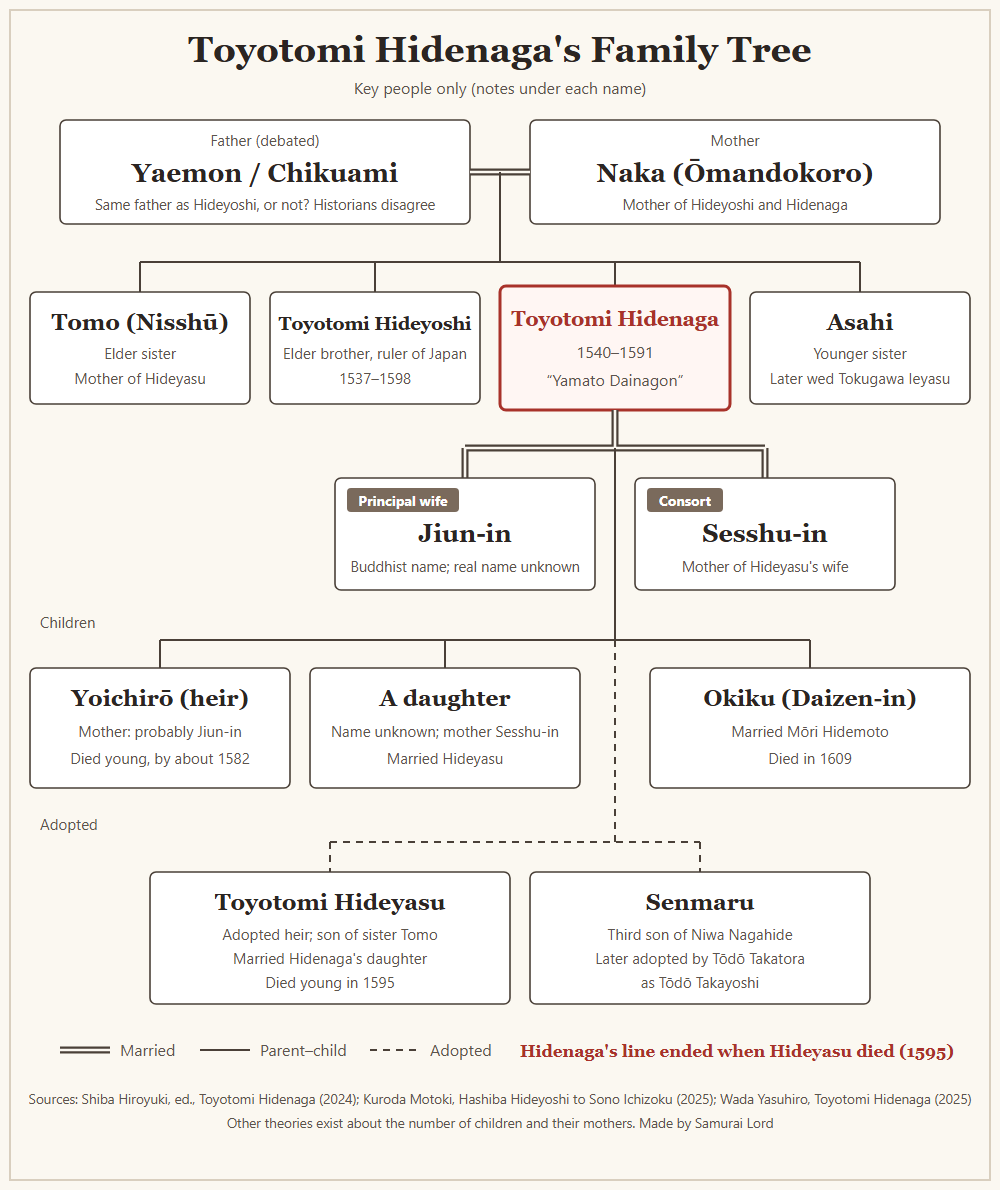
Image: Toyotomi Hidenaga's family tree (made by Samurai Lord). Tap or click the image to enlarge it.
In short, no family descended from Hidenaga is known to survive today [Widely accepted]. His son Yoichirō died young, and his adopted heir Hideyasu died in his teens, so Hidenaga's house ended after just two generations [Fact].
Sources: Kōzan-kō Jitsuroku and Mori-ke Sendai Jitsuroku (Edo-period records); Komai Nikki; Shiba Hiroyuki, ed., Toyotomi Hidenaga (2024); Kuroda Motoki, Hashiba Hideyoshi to Sono Ichizoku (2025)
His Heir Yoichirō: Natural or Adopted Son?
Hidenaga had a son called Yoichirō. He is mentioned in two Edo-period records—the Kōzan-kō Jitsuroku of the Tōdō family and the Mori-ke Sendai Jitsuroku of the Mori family. These are considered reliable, and historians regard Yoichirō as Hidenaga's own son, most likely by his principal wife Jiun-in [Widely accepted].
Yoichirō came of age but is thought to have died young, by about 1582 [Widely accepted]. The Kōzan-kō Jitsuroku says that because Hidenaga's own son died early, in 1582 he adopted Senmaru, the third son of the Oda general Niwa Nagahide.
Yoichirō's wife, Iwa, was adopted by Hidenaga and Jiun-in after her husband's death and in 1594 married Mori Tadamasa, who later became lord of the Tsuyama domain [Widely accepted].
In the NHK drama, Yoichirō is Chika's son by her first husband, adopted by Hidenaga. Since the sources describe him as Hidenaga's own son, this is a change made for the drama [Drama fiction].
So it's the reverse of the drama! He actually lost his own son so young…
His Daughters
Hidenaga had at least two daughters [Widely accepted].
- The daughter who married Hideyasu: her mother was Sesshu-in, and her name is not clearly known. She married her cousin Hideyasu (historians disagree whether a wedding recorded in 1594 was hers or Okiku's)
[Debated] - Okiku (Daizen-in): born in 1588. In 1595 she married Mōri Hidemoto, the adopted son of Mōri Terumoto, and she died in 1609 at just 22 by Japanese count
[Widely accepted]
Some historians also think that an “Osue-sama” who appears in a 1588 record was Hidenaga's eldest daughter (Kuroda Motoki) [Debated]. She shares her name with Sue, Hidenaga's daughter in the NHK drama.
His Adopted Heir Hideyasu—and the End of the Line
As his heir, Hidenaga adopted Hideyasu, a son of his elder sister Tomo and younger brother of the future regent Hidetsugu [Fact]. Hideyasu married Hidenaga's daughter and took over Kōriyama Castle after Hidenaga died [Widely accepted].
But in 1595, Hideyasu died at the age of 17 (by Japanese count) at Totsukawa in Yamato, where he had gone to recover from an illness [Fact]. With that, Hidenaga's house came to an end. A story claims he drowned at Totsukawa, but the Komai Nikki, a diary of the time, shows he died of an illness such as smallpox [Widely accepted]; the drowning tale is [Folk belief].
Senmaru, Niwa Nagahide's son who had been adopted in 1582, was passed over once Hideyasu became heir. He was then adopted by Hidenaga's senior retainer Tōdō Takatora and took the name Tōdō Takayoshi [Widely accepted].
Hideyoshi's own line died out too—but his brother's ended even sooner. For the Toyotomi, that was a heavy blow.
Hidenaga and Hideyoshi: Why He Was the Perfect Right-Hand Man
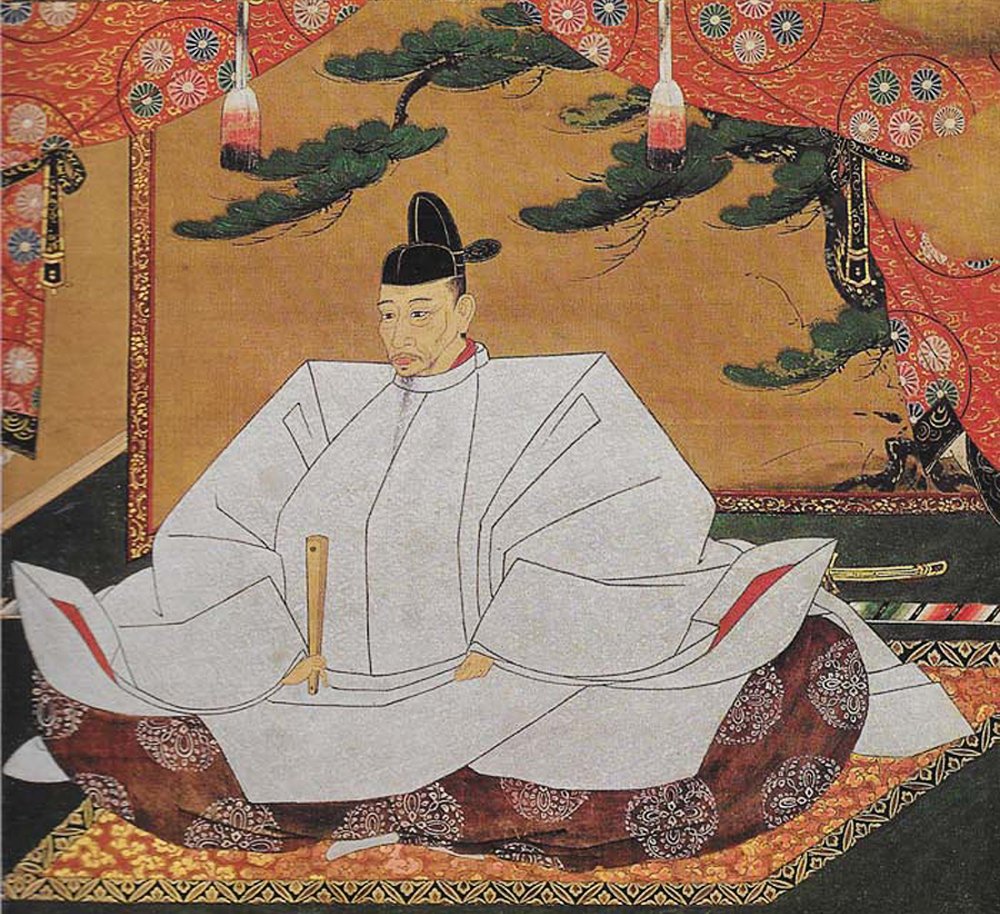
Image: Portrait of his elder brother, Toyotomi Hideyoshi, by Kanō Mitsunobu (Kōdai-ji Temple, Kyoto)
Hidenaga was Hideyoshi's younger brother by three years. He stayed at his brother's side from the time Hideyoshi began rising in Nobunaga's service—sometimes leading armies in his place, sometimes smoothing things over with other lords. For Hideyoshi's own story, see Who Was Toyotomi Hideyoshi? Life, Death & Six Fingers Explained.
“I Trust You Like My Brother Koichirō”
In 1577 Hideyoshi wrote to Kuroda Kanbei: “I feel as close to you as I do to my brother Koichirō” [Fact: Kuroda family documents]. That Hideyoshi used his brother as the yardstick of trust when winning over a new ally shows how much he relied on Hidenaga.
“Public Matters Go Through Me”—Ōtomo Sōrin's Account
In 1586, when the Kyushu lord Ōtomo Sōrin came to Osaka Castle to ask for help, Hidenaga took Sōrin's hand and said: “Private matters are handled by Sōeki; public matters are known to the Saishō.” Sōrin himself recorded these words in a letter [Fact: Ōtomo Sōrin's letter].
Sōeki was the tea master Sen no Rikyū, and “Saishō” was another name for Hidenaga's court post at the time (sangi, imperial adviser). In other words: “Bring private matters to Rikyū, and public matters to me.” The quote shows that Hidenaga was the official face of the Toyotomi government.
Tokugawa Ieyasu Stayed at Hidenaga's Residence
In late 1586, when Tokugawa Ieyasu—who had long resisted Hideyoshi—finally came to Osaka, he stayed at Hidenaga's residence [Widely accepted]. A story also says that Hideyoshi secretly visited Ieyasu there that night to ask for his submission [Legend].
Same Father, or Different Fathers?
According to the Edo-period Taikō Sosei-ki, Hideyoshi's father was Yaemon, while Hidenaga's father was Chikuami, whom their mother married later—so the brothers were long described as half-brothers with different fathers [Debated].
On the other hand, a record of the temple founded by their elder sister Tomo says that the siblings' father died in 1543. Since the youngest sibling, Asahi, is said to have been born in 1543, this would make all four children of the same father. The historian Kuroda Motoki thinks Yaemon and Chikuami were actually the same person [Debated].
The Rōjin Zatsuwa, a collection of Edo-period anecdotes, even claims that after Hidenaga failed to rescue an ally at the Battle of Shizugatake, an angry Hideyoshi told him, “You and I are not of the same seed.” But this is a later story, not a reliable source [Legend].
There's even a story that his brother said something that harsh to him…
Whether it is true, none can say. But however close they were, being the ruler's brother cannot have been easy.
Hidenaga's Life: A Timeline
| Year | Age* | Event | Notes |
| 1540 | 1 | Born in Nakamura, Owari | Mother: Naka (Ōmandokoro). Father debated |
| Unknown | — | Enters Oda Nobunaga's service with Hideyoshi | Known as Kinoshita Koichirō Nagahide |
| 1574 | 35 | Fights against the Nagashima Ikkō-ikki | His first battle on record (Shinchō Kōki) |
| 1576 | 37 | Tōdō Takatora becomes his retainer | Later his right-hand man |
| 1577 | 38 | Invades Tajima and takes Takeda Castle | Becomes keeper of Takeda Castle |
| 1580 | 41 | Completes the conquest of Tajima | Rules Tajima from Takeda Castle |
| 1582 | 43 | Honnō-ji Incident → Battle of Yamazaki | Guards Mount Tennō at Yamazaki. By about this time his son Yoichirō has died |
| 1583 | 44 | Battle of Shizugatake | Defends the main camp at Kinomoto; afterward moves to Himeji Castle |
| 1584 | 45 | Battle of Komaki-Nagakute; changes his name to “Hidenaga” | Also negotiates peace with Oda Nobukatsu |
| 1585 | 46 | Kii campaign; commander-in-chief of the Shikoku invasion | Becomes lord of Yamato, Kii, and Izumi; enters Kōriyama Castle |
| 1586 | 47 | Tells Ōtomo Sōrin “public matters are known to the Saishō”; Ieyasu stays at his residence | Begins frequent trips to Arima hot springs for his health |
| 1587 | 48 | Kyushu campaign (commander on the Hyūga front); appointed Gon-Dainagon | Becomes known as the “Yamato Dainagon” |
| 1588 | 49 | Scandal involving one of his retainers | The retainer is executed over money from a timber sale |
| 1589 | 50 | Renovates Yodo Castle for Chacha's childbirth | Hideyoshi's son Tsurumatsu is born there |
| 1590 | 51 | Too ill to join the Odawara campaign | Hideyoshi visits him at Kōriyama Castle—their last meeting |
| 1591 | 52 | Dies of illness at Kōriyama Castle (February 15) | About a month later, Sen no Rikyū is forced to take his own life |
*Ages are given by the traditional Japanese count (kazoedoshi), in which a person is 1 at birth and gains a year every New Year. Hidenaga's birthday is unknown, so his age is shown the way people counted it at the time.
In 1577 I fought the Oda army at the Tedori River. Shortly after that, Hidenaga was marching into Tajima.
So while Lord Hideyoshi was attacking Harima and western Japan, Lord Hidenaga was in charge of Tajima, on the Sea of Japan side!
What Did Hidenaga Do? Three Key Achievements
.png)
Hidenaga's achievements fall into three areas: military command, diplomacy between lords, and governing his domain.
1. Commander: Leading Armies in His Brother's Place
While Hideyoshi fought the Mōri clan in western Japan, Hidenaga was given the task of conquering Tajima (northern Hyōgo), which he completed by 1580 [Fact].
In the 1585 invasion of Shikoku, he served in Hideyoshi's place as commander-in-chief of more than 100,000 troops, attacked castles such as Ichinomiya in Awa (Tokushima), and forced Chōsokabe Motochika to surrender [Fact]. When a worried Hideyoshi offered to send reinforcements, Hidenaga is said to have declined in a letter [Widely accepted].
In the 1587 Kyushu campaign, he led the advance on the Hyūga (Miyazaki) front and drove back the Shimazu army at the Battle of Nejirozaka [Fact].
2. Diplomat: Smoothing Relations Between the Lords and Hideyoshi
Hidenaga was also the government's go-between with other lords. In 1584 he negotiated peace with Oda Nobukatsu on Hideyoshi's behalf [Widely accepted]. In 1588 he hosted the powerful western lord Mōri Terumoto at Kōriyama Castle with a tea gathering and took him sightseeing to Kōfuku-ji and Tōdai-ji in Nara [Fact].
The young Toyotomi government included many great lords who had once been its enemies, such as Tokugawa Ieyasu and Mōri Terumoto. Many historians credit Hidenaga with keeping the peace among them [Widely accepted].
3. Governor: Ruling Yamato, Kii, and Izumi
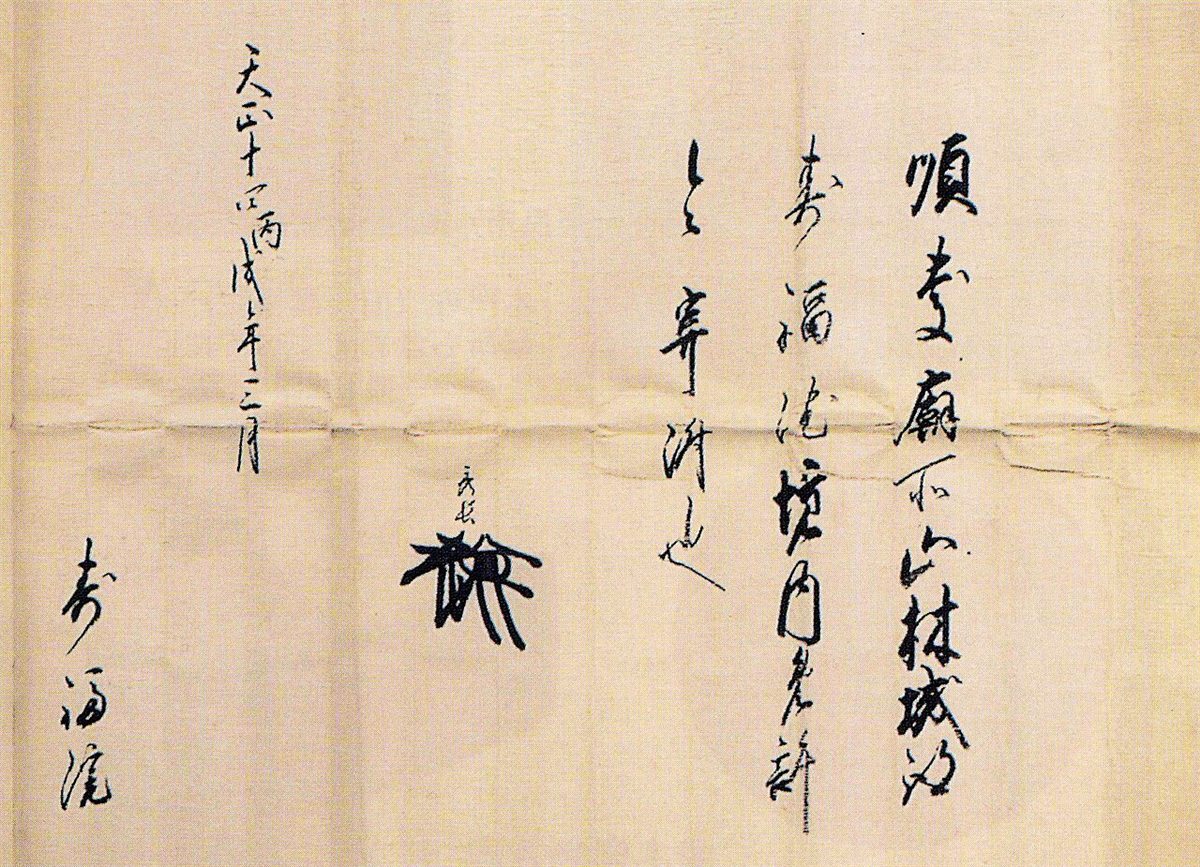
Image: A document Hidenaga issued to Jufuku-in Temple (1586). It grants the temple the mausoleum site, woodland, and former castle grounds of Tsutsui Junkei; Hidenaga's name and signature mark (kaō) appear at the lower center (private collection).
In 1585, after the Kii campaign, he received Kii and Izumi; then, for his success in Shikoku, Yamato was added, and he moved into Kōriyama Castle (Yamato-Kōriyama, Nara) [Fact]. His lands are often described as worth one million koku of rice, though some records suggest the actual figure was lower [Widely accepted].
In Kii, he ordered the building of Wakayama Castle and is said to have put his retainer Tōdō Takatora in charge of construction [Widely accepted]. Yamato, home to many powerful temples and shrines, was a hard province to govern, but Hidenaga quickly cracked down on bandits, surveyed the land, and issued new regulations [Fact].
War, government, and keeping the lords in line… he really was the brother who could do it all!
Personality and Anecdotes: Was He Really the “Gentle Brother”?
.png)
The image of Hidenaga as a gentle, selfless man quietly supporting his brother spread mainly through novels and TV dramas [Widely accepted]. The sources show a more human figure.
The Man Everyone Relied On
Ōtomo Sōrin's letter and the records of how he received Ieyasu and Mōri Terumoto show that other lords relied on Hidenaga as the government's point of contact [Fact].
A Tough Side When It Came to Money
In 1588, one of Hidenaga's retainers was executed on Hideyoshi's orders for pocketing the proceeds of a sale of Kumano timber that Hidenaga had ordered [Fact]. Hidenaga himself was not blamed, but a Kōfuku-ji monk wrote in his diary that the affair damaged Hidenaga's reputation [Fact: Tamon'in Nikki].
The same diary records that when Hidenaga died, Kōriyama Castle held over 56,000 pieces of gold, and enough silver to fill a room about 3.6 meters (12 feet) square [Fact: Tamon'in Nikki]. Research has also shown that he had aggressive high-interest moneylending (“Nara-gashi”) carried out in the town of Nara [Widely accepted].
Whether this makes him greedy, or simply a great lord building the reserves his position required, is something historians disagree on [Debated].
Did Hidenaga Leave Any Famous Words?
The only words reliably attributed to him are the ones quoted above: “Private matters are handled by Sōeki; public matters are known to the Saishō.” Be careful with other “Hidenaga quotes” found online—many have no clear source.
Call him greedy if you like, but feeding soldiers and building castles takes money. I cannot fault him for it.
Not just a “kind little brother”—now I can see the real Hidenaga!
How Did Hidenaga Die, and How Old Was He?
The Short Answer
- He died of illness at Kōriyama Castle on February 15, 1591 (the 22nd day of the 1st month of Tenshō 19)
[Fact] - He was 52 by traditional Japanese count (50 or 51 by modern counting)
[Fact] - The disease was never recorded, so we do not know what it was
[Unknown]
Sources: Tamon'in Nikki; Hidenaga's prayer document (tojō) at the Nara National Museum; Kuroda Motoki, Hashiba Hidenaga no Shōgai (2025)
From Failing Health to His Final Days
From around 1586, Hidenaga made repeated trips to the hot springs at Arima (Hyōgo) for his health [Fact]. By late 1589 even the baths no longer helped, and he stayed in Kyoto, unable to return to Kōriyama Castle [Fact].
In 1590 he was too sick to join Hideyoshi's Odawara campaign [Fact]. Later that year Hideyoshi came to Kōriyama Castle to see him—the last time the brothers met [Fact].
Rumors that Hidenaga had died began to spread around the end of 1590 [Widely accepted]. When an envoy of the emperor came to visit, Hidenaga was no longer able to receive him [Fact]. He died at Kōriyama Castle on February 15, 1591 [Fact].
His funeral was held in Kōriyama a week later, attended by lords, monks, and the people of his domain. His posthumous Buddhist name is “Daikō-in-den Zen-Ashō Shungaku Shōei Daikoji” [Fact].
What Illness Was It?
No record from the time names his illness [Unknown]. His years of repeated treatment at hot springs suggest a long-lasting condition, but the disease cannot be identified.
How Old Was He?
He died at 52 by Japanese count [Fact]. Because the Tamon'in Nikki gives his age as “51,” some once thought he was born in 1541. However, a prayer for his recovery written in late 1590 also gives his age as “51,” and counting back from that, a birth year of 1540 and an age at death of 52 is now the leading view [Widely accepted].
He died seven years before his brother Hideyoshi, who passed away in 1598.
So by the Odawara campaign, he was already too sick to go to war…
In the very year his brother finished unifying the realm, the younger brother lay on his sickbed. A cruel irony.
What If Hidenaga Had Lived Longer?
Note: from here on, this is not established history but a “what if” based on sources and research [Debated]
After Hidenaga's death, a series of grim events struck the Toyotomi government [Fact]:
- 1591: the tea master Sen no Rikyū is forced to take his own life (about a month after Hidenaga's death)
- 1592: the invasion of Korea begins (the Imjin War)
- 1595: the Hidetsugu Incident—Hidenaga's nephew, the regent Hidetsugu, is forced to commit suicide, and his wives and children are executed
- 1598: Hideyoshi dies; rivalries among the lords deepen, leading to the Battle of Sekigahara in 1600
Rikyū and Hidenaga—the men for “private” and “public” matters—were gone within weeks of each other. Many historians and writers believe that afterward no one was left who could restrain Hideyoshi or calm the quarrels between lords [Debated]. Had Hidenaga lived, the argument goes, relations with Hidetsugu and the great lords might have turned out differently.
Still, there is no way to know whether Hidenaga could have stopped a decision as big as the invasion of Korea. “If Hidenaga had lived” is best enjoyed as one of history's great what-ifs.
After Lord Rikyū and Lord Hidenaga were gone, things took a dark turn so quickly…
Pull one pillar from a house, and it may lean in places you never expected.
Places Connected to Hidenaga, and His Grave
Kōriyama Castle Ruins (Yamato-Kōriyama, Nara)
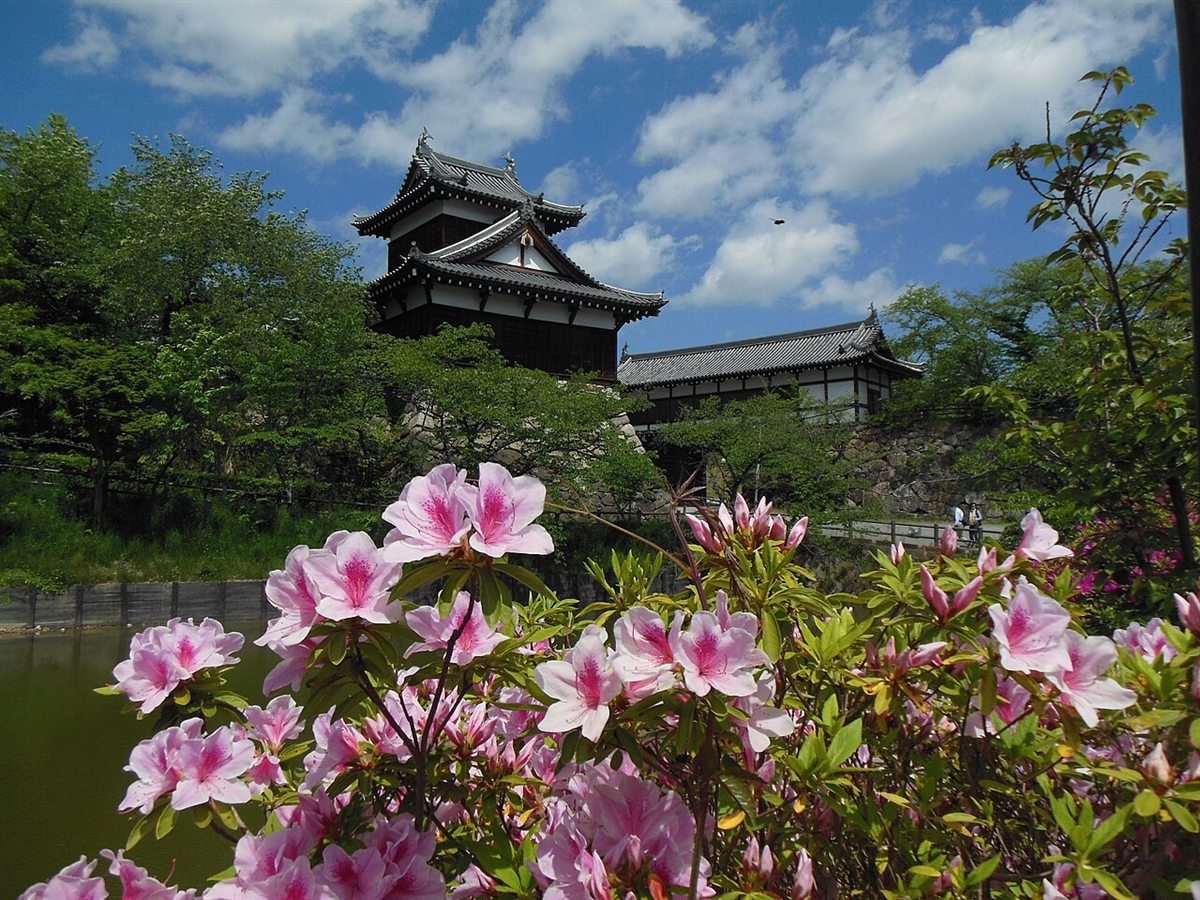
Image: Kōriyama Castle ruins, Yamato-Kōriyama, Nara. Photo: 恭パパ (CC BY-SA 4.0, Wikimedia Commons)
Hidenaga's base from 1585. The castle is thought to have been greatly expanded in his time [Widely accepted], and the ruins are now a park famous for its cherry blossoms.
Hidenaga's Grave: Dainagon-zuka
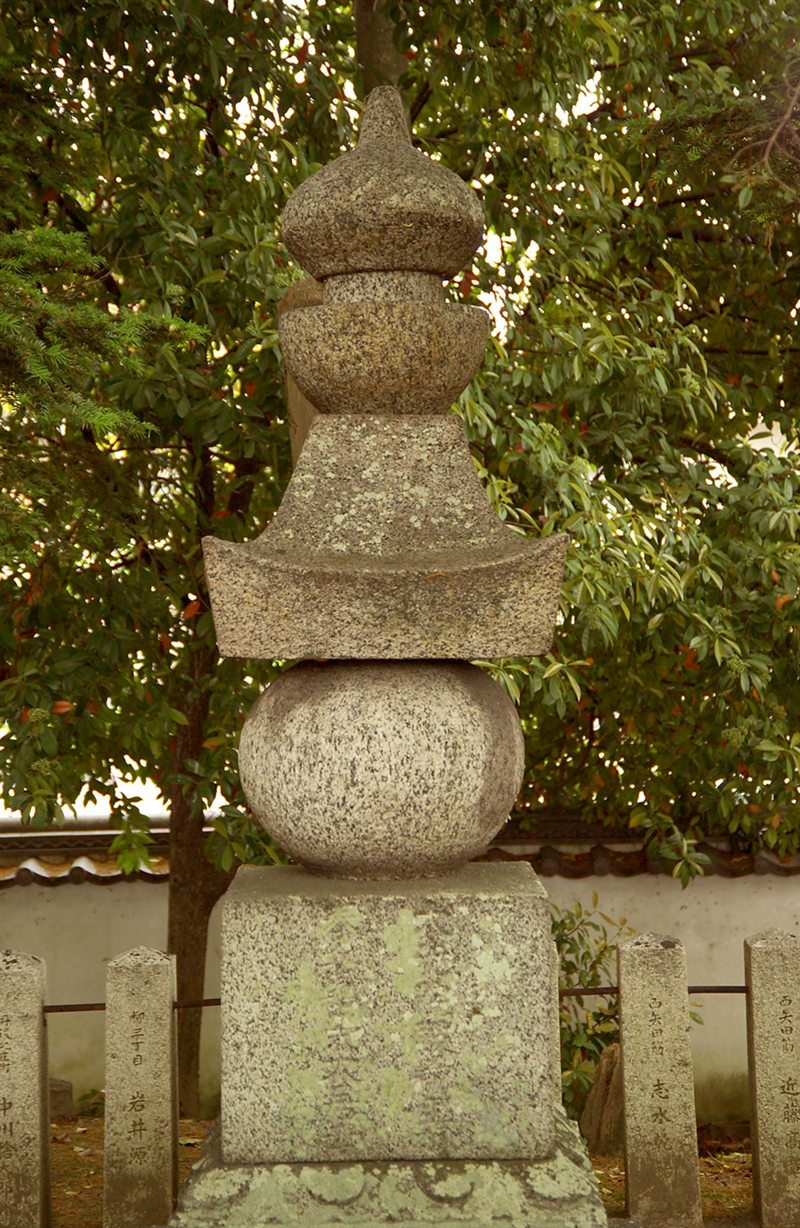
Image: The stone pagoda at Dainagon-zuka, said to be Hidenaga's grave (Yamato-Kōriyama, Nara)
Hidenaga's grave is Dainagon-zuka in Minoyama-chō, Yamato-Kōriyama. A memorial festival, the Dainagon-sai, is held there every year in his honor.
Temples and Shrines
- Shungaku-in (Yamato-Kōriyama): Hidenaga's family temple. Its name comes from the “Shungaku” in his posthumous name, and it owns the portrait shown at the top of this article
- Daikō-in (a sub-temple of Daitoku-ji, Kyoto): a temple built to pray for Hidenaga. It originally stood in Kōriyama and is said to have been moved to Daitoku-ji by Tōdō Takatora
- Hōkoku Shrine (in the grounds of Osaka Castle): Hidenaga is enshrined here together with his brother Hideyoshi and his nephew Hideyori
Other Places to Visit
- Nakamura (Nakamura Ward, Nagoya): said to be the birthplace of Hideyoshi and Hidenaga; site of Nakamura Park
- Takeda Castle ruins (Asago, Hyōgo): the castle he captured and held during the Tajima campaign, now famous as the “castle in the sky”
- Wakayama Castle (Wakayama City): built on Hidenaga's orders (the current keep is a 1958 reconstruction)
In 2026, two museums tied to the NHK drama are open: the “Toyotomi Kyōdai! Nagoya Nakamura Taiga Drama Museum” (until January 11, 2027) and the “Toyotomi Kyōdai! Yamato-Kōriyama Taiga Drama Museum” (until January 22, 2027). Please check their official websites (in Japanese) for details.
Frequently Asked Questions (FAQ)
Who was Toyotomi Hidenaga?
He was the younger brother of Toyotomi Hideyoshi, who unified Japan. He supported his brother as a commander, a diplomat, and the ruler of Yamato, Kii, and Izumi, and is the hero of NHK's 2026 drama Toyotomi Kyōdai!
How was Hidenaga related to Hideyoshi?
He was Hideyoshi's younger brother, three years his junior (Hideyoshi was born in 1537, Hidenaga in 1540). Whether they shared the same father is debated.
Who was Hidenaga's wife?
His principal wife is known only by her Buddhist name, Jiun-in; her real name is unknown. He also had a consort called Sesshu-in.
How old was Hidenaga when he died, and what killed him?
He died of illness on February 15, 1591, at 52 by Japanese count (50 or 51 by modern counting). The disease is not recorded.
Where is Hidenaga's grave?
At Dainagon-zuka in Yamato-Kōriyama, Nara Prefecture. His family temple, Shungaku-in, is in the same city.
What does “Yamato Dainagon” mean?
It is Hidenaga's nickname. He ruled Yamato province (Nara) and in 1587 was appointed Gon-Dainagon, one of the highest posts at the imperial court—hence “the Dainagon of Yamato.”
Is the NHK drama Toyotomi Kyōdai! historically accurate?
It follows the main events of Hidenaga's life, but some characters and details are invented. For example, Nao does not appear in historical sources, and Yoichirō—Hidenaga's own son in the records—is shown as an adopted son.
Sources & How This Article Was Written
This article is based mainly on the following records and research:
- Tamon'in Nikki: the diary of a monk at Kōfuku-ji Temple in Nara—on events in Hidenaga's domain, his death, and the riches found at Kōriyama Castle
- Shinchō Kōki (Ōta Gyūichi): on his first recorded battle and his post at Takeda Castle
- Ōtomo Sōrin's letter: “Private matters are handled by Sōeki; public matters are known to the Saishō”
- Kuroda family documents (Hideyoshi's letter): the letter comparing Kuroda Kanbei to “my brother Koichirō”
- Komai Nikki: on the illness and death of his adopted heir Hideyasu
- The stone memorial on Mount Kōya: the Buddhist name of his principal wife, “Jiun-in Hōshitsu Shōkei”
- Hidenaga's prayer document (tojō), Nara National Museum: a prayer for his recovery that gives his age as “51”
- Edo-period records (Kōzan-kō Jitsuroku, Mori-ke Sendai Jitsuroku, Taikō Sosei-ki, Rōjin Zatsuwa, and others): the source of the information on Yoichirō and of stories about his father and his brother, labeled
[Widely accepted]or[Legend]in this article - Modern research: Shiba Hiroyuki, ed., Toyotomi Hidenaga (Ebisu Kōshō Shuppan, 2024); Kuroda Motoki, Hashiba Hideyoshi to Sono Ichizoku (Kadokawa, 2025) and Hashiba Hidenaga no Shōgai (Heibonsha, 2025); Wada Yasuhiro, Toyotomi Hidenaga (Chūkō Shinsho, 2025)—all in Japanese
- Images: Hidenaga's portrait (Shungaku-in), his 1586 document, and the photo of Dainagon-zuka are public-domain images from Wikimedia Commons; the photo of Kōriyama Castle ruins is by 恭パパ under CC BY-SA 4.0. The family tree and illustrations are original to Samurai Lord
What the Labels Mean
[Fact]Confirmed by sources from the period[Widely accepted]The view held by most historians[Debated]Historians disagree[Unknown]No source tells us[Drama fiction]A detail created for TV drama that sources do not confirm[Legend][Fiction][Folk belief]Stories created later, or claims with little evidence
This article was written by the Samurai Lord editorial team and is revised as new research and reader feedback come in. If you spot an error, please let us know through our contact form (in Japanese) and we will check and correct it.
Summary: Who Was Toyotomi Hidenaga?
Toyotomi Hidenaga was the No. 2 of the Toyotomi government, supporting his brother's unification of Japan in war, in diplomacy between lords, and in governing his lands.
His principal wife is known only by her Buddhist name, Jiun-in; Nao in the NHK drama is fictional, and Chika is based on his principal wife. His son Yoichirō died young and his adopted heir Hideyasu died in his teens, so Hidenaga's house ended after two generations. His death in 1591 cast a long shadow over the future of the Toyotomi government.
To learn more, read about his brother in Who Was Toyotomi Hideyoshi? Life, Death & Six Fingers Explained, and about the lord they both served in Who Was Oda Nobunaga? Life, Death, Personality & Yasuke Explained.
Behind every ruler stands someone who holds things up. Hidenaga is the finest example. Not flashy—but the more you read the sources, the more there is to admire.
The story of these brothers was fascinating! It makes watching the drama even more fun!
Read in Japanese
This article is also available in Japanese: 豊臣秀長とは?妻は誰?直・慶は実在?死因と子孫を史実で解説